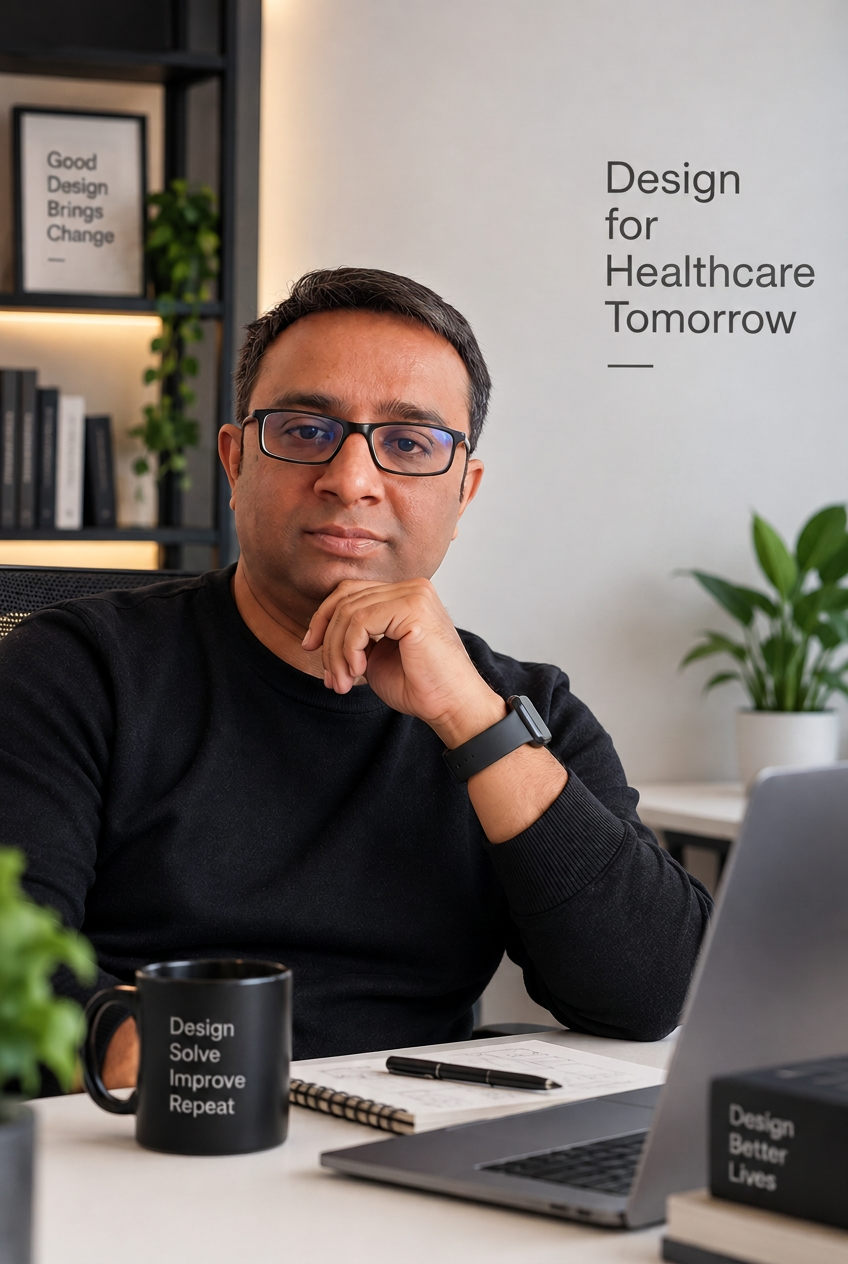
Senior UI/UX Designer → PRODUCT DESIGN • HEALTHCARE UX • AI
Design for Healthcare Tomorrow
Designing simpler, more human healthcare experiences.
18+ years · Senior Product Designer | Healthcare SaaS & Enterprise UX | Complex Workflows | Design Systems | AI-Ready Product Design
- Minimal
- Human-Centered
- Strategic
- Experience
- 18+ years, web & graphic → Senior Product Designer
- Domains
- Healthcare SaaS, telehealth & enterprise UX
- Focus
- Complex workflows, design systems, AI-ready design
- Based in
- Ahmedabad, India
My story
The story behind the work
01
Where I started
I'm Navrang Panchal, from Ahmedabad. I began my journey in an educational institute where I learned design, and from there stepped into web and graphic design roles across both service and product companies.
02
What changed
Working my way from web and graphic design to Sr. UI/UX Designer taught me that design is a thinking process: problems exist all around us, and with the right process we can solve them. The turning point was learning to find the real problem first, then design the solution.
03
Where I am now
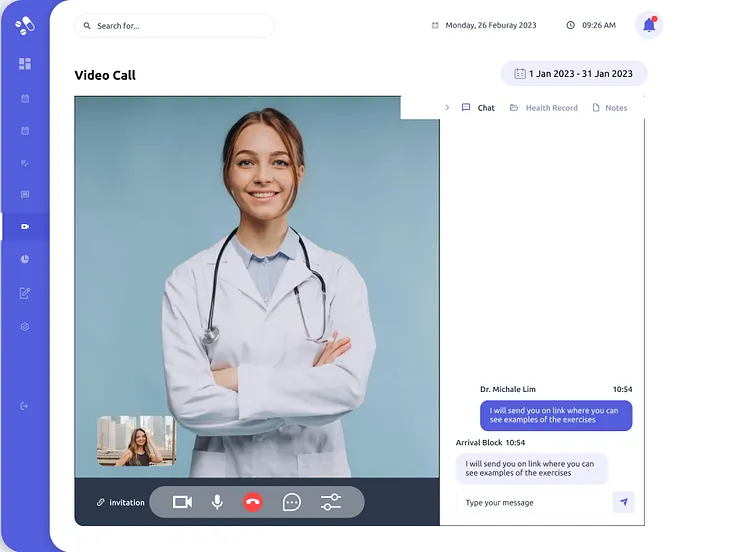
I've worked everywhere from startups to multinational companies, and I currently design a healthcare product — a telehealth application connecting doctors and patients one-to-one.
04
Where I'm going
I want to grow as a Healthcare UX Designer, and I want recruiters and clients to remember me as a product designer who presents honest work through real history, real process, and a portfolio that speaks for itself.
Design belief
My Design Philosophy
Good design makes complex experiences simple, meaningful, and accessible to everyone.
I believe great product design starts with understanding people, their challenges, and what they truly need. I combine research, thoughtful problem-solving, and attention to detail to create digital experiences that feel intuitive, build trust, and make a real difference.
01
Clarity over complexity
I design experiences that help people understand what they are seeing, what they need to do, and what comes next — without unnecessary confusion.
02
People before pixels
Behind every screen is a real person with goals, emotions, and everyday challenges. I design with empathy and consider how people actually use products in their daily lives.
03
Accessibility for everyone
I believe good design should work for everyone, regardless of their abilities, devices, or circumstances. Accessibility is not an extra feature; it is part of creating a better experience.
04
Consistency through craft
I value thoughtful details, reusable design systems, and clear documentation. These foundations help teams build consistent, reliable products that continue to improve as they grow.
How I work
AI-assisted design workflow
I use AI to accelerate thinking, not outsource judgement.
I use ChatGPT, Gemini and Claude where they can shorten repetitive or exploratory work while keeping product direction and design judgement human-led.
01
Explore
Generate alternative structures, flows and content hierarchies so I can compare approaches faster.
02
Challenge
Surface counterarguments, edge cases and accessibility considerations that may expose assumptions.
03
Draft
Create first-pass documentation, interface copy alternatives and structured summaries for careful editing.
04
Accelerate
Reduce time spent reorganising information so more time can go into judgement, review and iteration.
Validated with human judgement
AI output is never treated as research evidence. Every suggestion is checked against:
- Actual project information
- User needs
- Business requirements
- Technical constraints
- Accessibility
- My own design judgement
Real Mini-Case
Room Cool
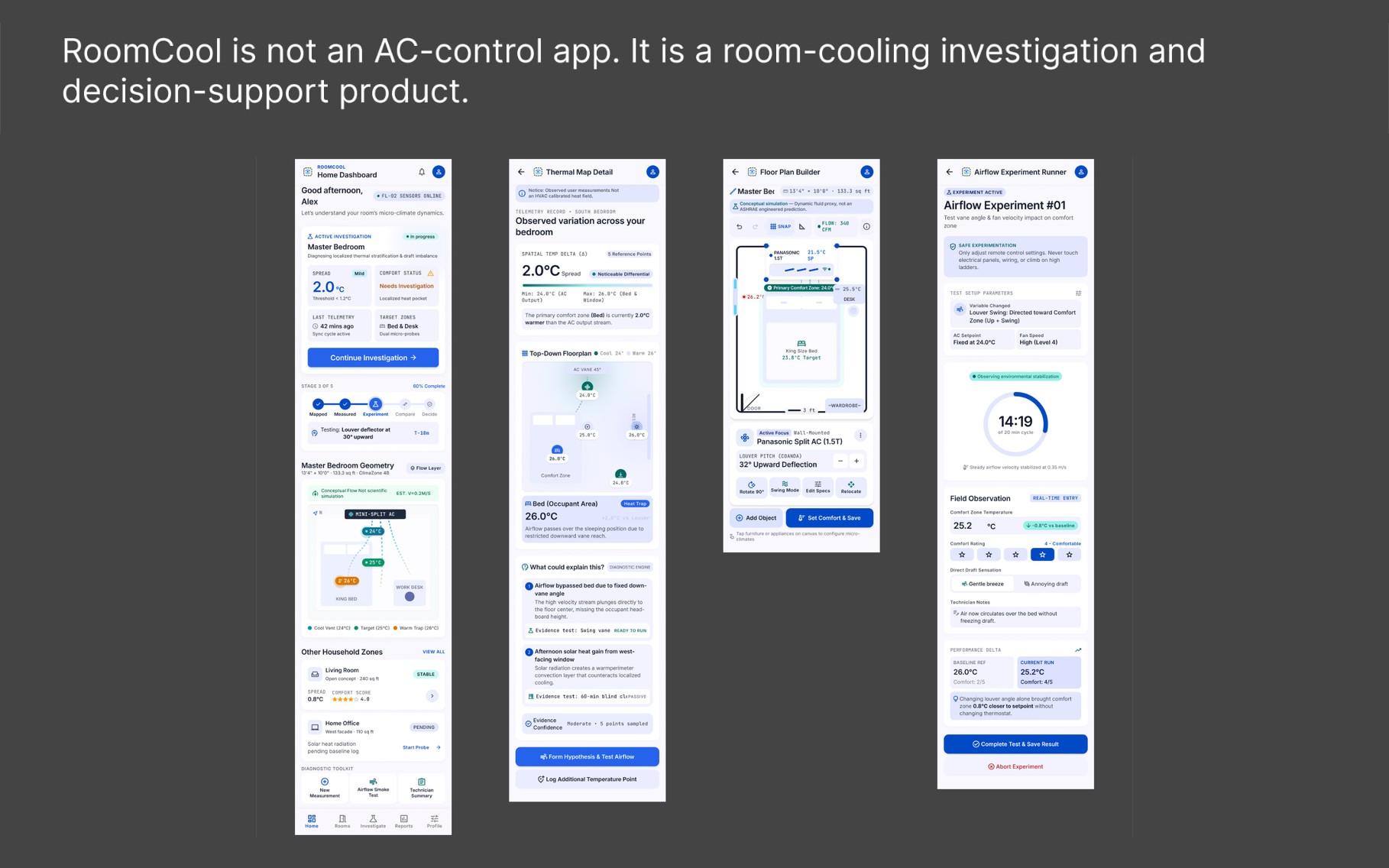
I explored why a bedroom can feel unevenly cooled even when an AC is running. Instead of assuming the appliance was faulty, I looked at how airflow, room layout, windows, furniture, settings, and daily usage could affect comfort. I structured the investigation around research questions, safe experiments, and measurable outcomes, with a focus on understanding the problem before recommending a solution. The next step is to validate the findings through controlled testing.
Explore the Room Cool case studySkills & tools
What I can take ownership of
Product Design
- User research & ideation
- Information architecture
- Wireframing & prototyping
- Usability testing & iteration
Research
- Problem framing
- User journey mapping
- Habit & behaviour analysis
- Usability findings
Interface Design
- Dashboard design
- Video-call & messaging UX
- Responsive web, tablet & mobile
- Accessible, calm visual design
Systems
- Design systems
- Reusable card & navigation patterns
- Component documentation & handoff
Enterprise UX
- Dashboards & complex workflows
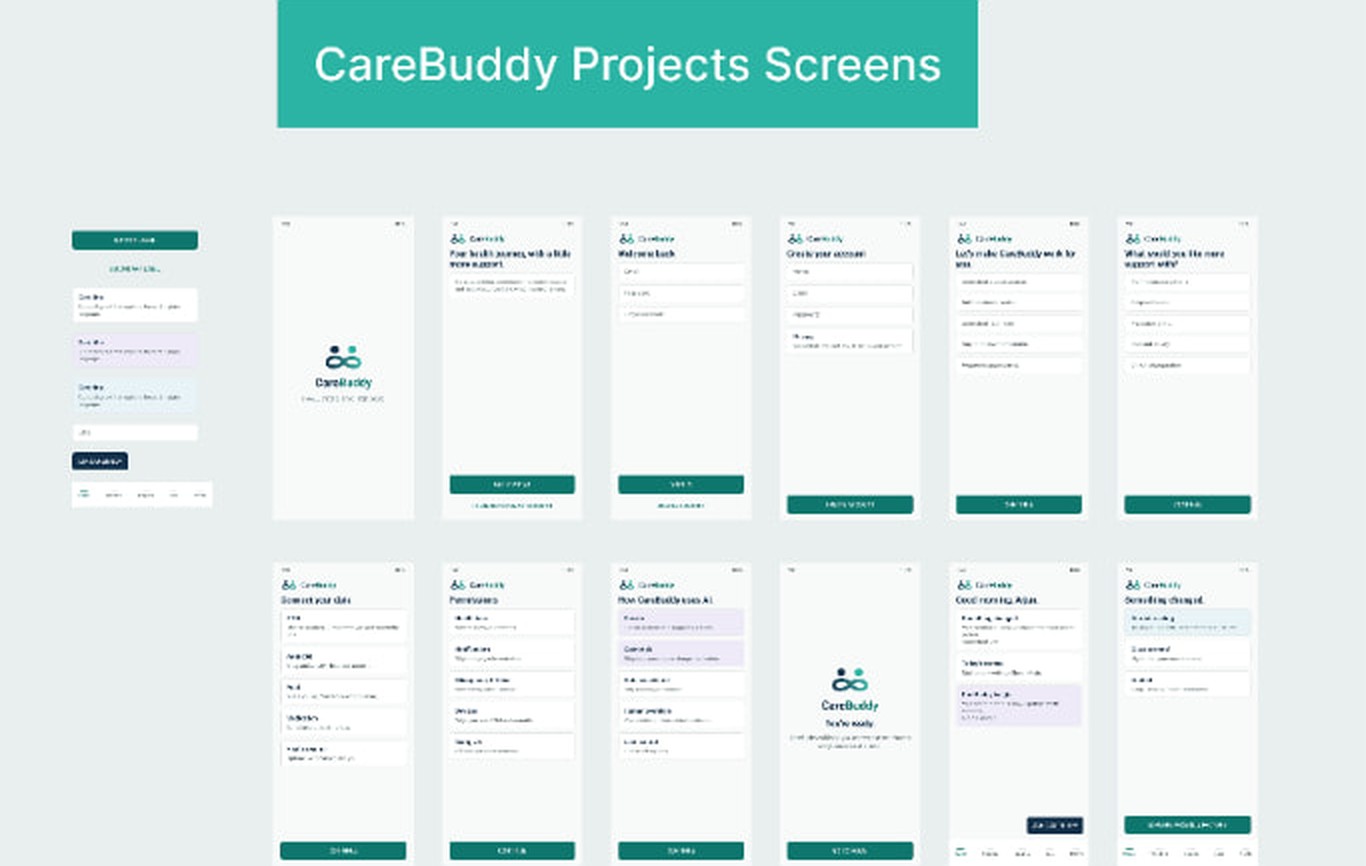
- Authentication & onboarding flows
- CRM platforms
- Contact centre applications
Emerging
- AI-assisted healthcare features
- AI agent integration for patient Q&A
- Healthcare product strategy
Featured projects
Projects worth a closer look
Complex product journeys are where I do my best work
If you are building a product with dense workflows, customisation, responsive complexity or accessibility requirements, I would be happy to talk about the problem.